MALEMA BCV-980-S2SB-1142-3-001 Biopharm Control Valve BCV-980-S2SN-1142-3-017
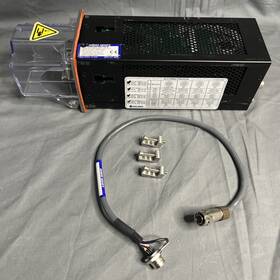
( Brand: Malema ), ( Manufacturer Part Number: BCV-980-S2SB-1142-3-001 ), ( Part Type: Control Valve )
Review MALEMA Biopharm Control Valve Very Good Condition
The **Malema BCV-980-S2SB-1142-3-001** and **BCV-980-S2SN-1142-3-017** are high-performance, precision-engineered control valves designed by Biopharm for critical applications in pharmaceutical, biotechnology, and cleanroom environments where reliability, sterility, and process consistency are paramount. These valves belong to the **BCV-980 series**, a line of **sanitary control valves** engineered to meet the stringent demands of aseptic processing, sterile filtration, and sterile fluid transfer systems. The **BCV-980** series is constructed with **stainless steel (typically 316L or 316L Duplex)** to ensure corrosion resistance, durability, and compatibility with aggressive chemicals, including acids, alkalis, and high-purity solvents. The valve bodies are **polished to a mirror finish (Ra 0.8 m)** to prevent microbial adhesion and facilitate easy cleaning, making them ideal for **GMP (Good Manufacturing Practice) and FDA-compliant facilities**.
The **BCV-980-S2SB-1142-3-001** features a **single-seat, globe-style design** with a **pneumatic or electric actuator**, providing precise flow control through a **linear motion stem mechanism**. This configuration allows for **tight shut-off and smooth throttling**, making it suitable for applications requiring **fine regulation of fluid flow rates** in processes such as **sterile filtration, media preparation, or buffer mixing**. The valve incorporates a **sanitary flange connection (e.g., Tri-Clamp or ISO 2852)** with **EPDM or PTFE sealing gaskets**, ensuring a **leak-tight, contamination-free interface** while maintaining ease of disassembly for cleaning and maintenance. The **actuator options** such as **pneumatic diaphragm or electric stepper motor drives** offer flexibility in automation integration, allowing for **remote control, sequencing, or integration with PLC-based systems** for automated bioprocessing workflows.
In contrast, the **BCV-980-S2SN-1142-3-017** represents a **double-seat, balanced design**, which minimizes pressure differential forces across the valve seat, reducing wear and improving longevity particularly in high-pressure or high-differential applications. This **balanced globe valve** configuration ensures **consistent flow characteristics** across the entire stroke, eliminating hunting and providing **repeatable control** for critical processes like **cell culture perfusion, sterile fill-finish operations, or sterile water-for-injection (SWFI) systems**. Both valves are equipped with **sanitary trim components**, including **stainless steel seats, cages, and stem seals**, which are **easily removable and replaceable** to extend valve life and maintain sterility. The **trim materials** can be customized to include **PTFE, PFA, or ceramic coatings** for enhanced chemical resistance and reduced friction.
A defining feature of these valves is their **modular and hygienic design**, which adheres to **3-A Sanitary Standards, EHEDG (European Hygienic Engineering & Design Group) guidelines, and FDA Title 21 CFR Part 11** requirements. The **sealed internal components** prevent contamination from external sources, while the **external surfaces** are designed to minimize crevices where microorganisms could harbor. Additionally, the **valve s compact footprint** and **lightweight construction** make them suitable for integration into **compact bioreactor systems, sterile connectors, or skid-mounted processing units** without compromising performance. Both models are **backflushable**, allowing for **in-place cleaning (CIP) and steam-in-place (SIP) validation**, which is essential for maintaining sterile conditions in continuous manufacturing environments.
The **BCV-980 series** also excels in **leak-tight performance**, with **zero leakage ratings** achievable through **metal-to-metal seating or elastomeric seals**, depending on the application. This makes them ideal for **high-purity applications** where even trace contamination could compromise product integrity. The **actuator interfaces** are designed for **seamless integration with control systems**, supporting **modbus, Profibus, or digital communication protocols** for real-time monitoring and data logging. Whether used in **batch or continuous bioprocessing**, these valves deliver **reliable, repeatable control** with minimal maintenance, reducing downtime and ensuring compliance with **pharmaceutical industry standards**.
In summary, the **Malema BCV-980-S2SB-1142-3-001** and **BCV-980-S2SN-1142-3-017** are **highly specialized, sanitary control valves** engineered for the most demanding sterile processing applications. Their **corrosion-resistant construction, precise flow control, and hygienic design** make them indispensable components in **pharmaceutical manufacturing, biopharmaceutical production, and sterile filtration systems**. By combining **superior materials, modular assembly, and advanced actuation options**, these valves ensure **consistent performance, ease of maintenance, and full compliance with regulatory requirements**, making them a trusted choice for industries where **sterility, precision, and reliability** are non-negotiable.
### **Pros and Cons of purchasing a Malema BCV-980-S2SB-1142-3-001 and BCV-980-S2SN-1142-3-017 Biopharm Control Valves**
#### **Pros**
1. **High-Quality Construction**
- These valves are manufactured by Malema, a reputable brand known for precision-engineered control valves, particularly in biopharmaceutical and pharmaceutical applications. They are designed to meet stringent industry standards, including those for cleanliness, durability, and reliability in critical processes.
2. **Compatibility with Biopharmaceutical Applications**
- The valves are specifically designed for biopharmaceutical use, ensuring compatibility with sterile environments, clean-in-place (CIP), and sterilize-in-place (SIP) protocols. This makes them ideal for pharmaceutical manufacturing, bioreactors, and other sensitive applications where contamination risks must be minimized.
3. **Precision Control**
- The BCV-980 series is known for its accurate flow control, which is essential in processes requiring consistent dosing, mixing, or pressure regulation. The S2SB and S2SN models likely incorporate advanced control mechanisms, such as proportional control or digital interfaces, for precise adjustments.
4. **Material Compatibility**
- These valves are likely constructed from materials such as stainless steel, PVDF, or other corrosion-resistant alloys, which are critical for maintaining product integrity in pharmaceutical and biotech applications. The materials are chosen to resist chemical corrosion and microbial contamination.
5. **Modular and Customizable Design**
- The BCV-980 series appears to offer modular configurations, allowing for customization based on specific process requirements. This flexibility can be advantageous for integrating the valves into existing or new systems without extensive modifications.
6. **Compliance with Regulatory Standards**
- Malema valves are typically designed to comply with regulatory bodies such as the FDA, EMA, and GMP guidelines. This ensures that the valves meet the necessary standards for use in pharmaceutical and biotechnological environments, reducing the risk of non-compliance issues.
7. **Long-Term Durability**
- Given their robust construction and use in demanding environments, these valves are likely to have a long operational lifespan with proper maintenance. This reduces the need for frequent replacements and minimizes downtime.
8. **Support and Warranty**
- Purchasing from a well-established manufacturer like Malema often comes with comprehensive technical support, warranties, and access to spare parts. This can be invaluable for troubleshooting and maintaining the valves over time.
---
#### **Cons**
1. **High Initial Cost**
- High-quality control valves, especially those designed for biopharmaceutical applications, come with a significant upfront cost. The BCV-980 series may require a substantial investment, which could be a barrier for smaller companies or startups with limited budgets.
2. **Complex Installation and Maintenance**
- Due to their precision and specialized design, these valves may require skilled technicians for installation, calibration, and maintenance. This can add to operational costs and may necessitate training for staff.
3. **Potential for Over-Specification**
- If the application does not require all the advanced features of the BCV-980 series (e.g., highly precise control or extreme corrosion resistance), the valves may be overkill. In such cases, a simpler or less expensive valve could suffice, leading to unnecessary expenditure.
4. **Dependency on Supplier**
- Relying on a specific manufacturer for critical components can create dependency risks. If the supplier faces delays, stock shortages, or discontinuations, it could disrupt operations. It is advisable to have backup suppliers or spare parts on hand.
5. **Integration Challenges**
- Integrating these valves into existing systems may require modifications to piping, instrumentation, or control systems. This could involve additional engineering work, testing, and potential downtime during installation.
6. **Maintenance Requirements**
- While durable, these valves may require regular maintenance to ensure optimal performance, particularly in harsh environments. This includes cleaning, lubrication, and inspections, which can add to operational overhead.
7. **Limited Availability of Spare Parts**
- Depending on the specific model and regional availability, sourcing spare parts or replacements may be challenging. This could lead to extended downtimes if parts are not readily accessible.
8. **Potential for Over-Engineering**
- In some cases, the advanced features of the BCV-980 series (e.g., digital interfaces, complex control algorithms) may not be fully utilized in the application. This could result in underutilized capabilities and higher costs without proportional benefits.
---
### **Conclusion**
The Malema BCV-980-S2SB-1142-3-001 and BCV-980-S2SN-1142-3-017 biopharmaceutical control valves are high-quality, precision-engineered components designed for critical applications in pharmaceutical and biotechnological industries. Their strengths lie in their reliability, compliance with regulatory standards, and compatibility with sterile environments. However, their high cost, complexity, and potential over-specification for certain applications must be carefully considered.
For applications where precision, cleanliness, and compliance are non-negotiable such as in pharmaceutical manufacturing, bioreactors, or sterile processing these valves are an excellent investment. They offer long-term reliability and reduce the risk of contamination or process failures. However, for less demanding applications or budget-constrained environments, alternative valves with simpler designs may be more cost-effective.
---
### **Recommendation**
1. **Assess Your Specific Needs**
- Before purchasing, thoroughly evaluate whether the advanced features of the BCV-980 series are necessary for your application. If your process does not require high-precision control or extreme corrosion resistance, consider whether a simpler valve would meet your needs at a lower cost.
2. **Compare with Alternatives**
- Research other control valve manufacturers (e.g., Swagelok, Fisher, or other biopharmaceutical-grade valves) to ensure that you are getting the best value. Request quotes and compare specifications, warranties, and support offerings.
3. **Budget for Installation and Maintenance**
- Account for the costs associated with installation, training, and ongoing maintenance. Ensure that your budget includes these expenses to avoid unexpected financial burdens.
4. **Verify Supplier Reliability**
- Confirm that the supplier has a strong track record of delivering on time and providing reliable after-sales support. Establish relationships with backup suppliers to mitigate risks of stock shortages.
5. **Consult Experts**
- Engage with process engineers or consultants who have experience with biopharmaceutical control valves. Their insights can help you determine whether the BCV-980 series is the right choice for your system.
6. **Consider Long-Term ROI**
- Weigh the initial cost against the long-term benefits, such as reduced downtime, improved process efficiency, and compliance with regulatory standards. If the valves significantly enhance productivity or safety, the higher upfront cost may be justified.
**Final Verdict:**For applications in pharmaceutical, biotechnological, or sterile processing environments where precision, reliability, and compliance are critical, the Malema BCV-980-S2SB and BCV-980-S2SN valves are a strong recommendation. However, for less demanding applications or cost-sensitive projects, it is advisable to explore alternative options to ensure a balanced investment. Always conduct a detailed cost-benefit analysis before making a purchase decision.
Details:
It comes with panel mounts and a sensor cable. Malema BCV-980-S2SN-1142-3-017 Biopharm Control Valve Very Good Condition. I removed it from a panel and all of the parts appear to be new.
part #: bcv980s2sb11423001 prices
- $244.44-$350.00
specifications valvesplumbing:
- brand: Malema
- mpn: Bcv-980-s2sb-1142-3-001
- part type: Control Valve
returns valvesplumbing:
- policy: No Returns
payments valvesplumbing:
- other
- wallet: Google-pay
- credit card: Diners-club
shipping valvesplumbing:
- cost: $17.76
- service: FedEx Ground / FedEx Home Delivery
- carrier: FedEx
- class: Standard
- transit: 5-10 Days
- type: Fixed
offer valvesplumbing:
- best offers: True
- started: April 8, 2026
- quantity: 1
- availability: In Stock
- sold: 0
- options: Ship-to-home
seller valvesplumbing:
- # reviews: 3085
- city: Smithfield, Rhode Island
- rating: 100.0%
general valvesplumbing:
- condition: Used
- Hydraulics, Pneumatics, Pumps Plumbing > Valves Manifolds > Other Valves Manifolds
